
When the price of a routine oil change rises or a familiar product is missing from the shelf, the impact is immediate for drivers, repair shops and commercial fleets. At the same time, ownership changes involving major lubricant brands are reshaping the industry, while fleet operators are looking more closely at oil analysis and condition-based maintenance.
These trends connect in one important way: they make planning, accurate product selection and dependable sourcing more valuable. Sauto Mobils supports automotive buyers with product categories, business-oriented bulk-pricing information and resources for ordering. Its catalog includes motor oil and other maintenance products, while the guidance in this article can help consumers and businesses approach changing market conditions responsibly.
Retail Spikes, Hoarding and Purchase Limits
What reports say about retailer limits and price increases
Recent coverage has reported that Costco introduced purchase limits on some motor oil products and that prices increased sharply for certain packages. One report said Costco limited purchases of Kirkland Signature oil to two boxes per customer per week; another described price increases at Costco and higher costs at quick-lube businesses. Those reports should be read as snapshots of particular products and market conditions—not proof that every retailer, location or oil grade faces the same limits or price change.
The scale of a claimed shortage also deserves careful attention. A lubricants-industry analysis reported seeing motor oil available at one Costco warehouse and cautioned that observations at one store cannot represent the entire retail market. It also noted that a single retailer’s purchase policy does not, by itself, establish a market-wide shortage. jobbersworld.com
For everyday drivers, the experience can still be frustrating: the preferred brand may cost more, a familiar package may be out of stock, or finding the required viscosity may take extra effort. Local shops face their own pressures as supplier prices and replenishment timing change. When wholesale costs rise, businesses may need to revise estimates, explain price changes to customers or adjust purchasing plans.
However, a headline about a price jump “up to 35%” should not be treated as a universal increase across every motor oil, supplier or shop. Reported changes depend on the product, package size, retailer, location and comparison period. Buyers should compare current prices for the exact product and confirm that it meets their vehicle’s requirements before deciding based on price alone.
Why hoarding and panic buying make planning harder
When customers hear that a product might become scarce, some respond by buying more than they need. That can temporarily make shelves look emptier, add pressure to retail inventory and make it harder for other drivers or service businesses to purchase a reasonable quantity. Buying a sensible amount for upcoming maintenance is different from stockpiling multiple grades that may not fit the vehicles in a household or fleet.
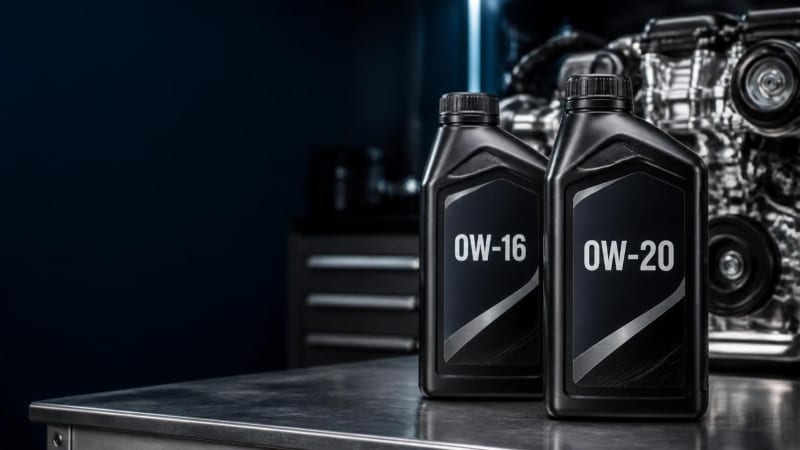
A practical response is to keep a record of the oil grade and specification each vehicle requires, check the next scheduled service date and purchase according to actual need. This is particularly important for modern vehicles that call for specific low-viscosity oils such as 0W-16 or 0W-20. A cheaper or more available grade is not automatically an acceptable substitute.
Don’t skip the oil change to save money
When service costs rise, it can be tempting to delay maintenance. That may create a much larger expense later. Engine oil lubricates moving parts, carries heat and helps manage contaminants. As oil degrades, its ability to protect the engine can decline. AAA warns that routinely stretching or ignoring required oil changes can increase wear and risk serious engine damage. AAA International Relations
Drivers should follow the maintenance interval in the owner’s manual or vehicle maintenance system. There is no single mileage interval that applies to every car: driving conditions, engine design, oil specification and the manufacturer’s schedule all matter.
To manage costs without gambling on engine health:
Check the owner’s manual for the correct viscosity and performance specification.
Compare the full cost of the oil, filter and service—not just the price per container.
Ask a qualified shop whether it can source an approved product that meets the vehicle’s requirements.
Keep receipts and service records.
Avoid substituting another grade unless the vehicle manufacturer permits it for that application.
How Sauto Mobils can help buyers plan
Sauto Mobils offers a dedicated motor oil category and a broader products catalog, giving buyers a place to browse automotive products. For shops and fleet managers, its bulk-pricing page describes volume purchasing options.
Bulk buying can help a business organize replenishment and reduce repeated small orders, but it is not a guarantee against supply changes or price increases. Shops should confirm current product availability, specifications, package sizes, shipping terms and order requirements before committing to a large purchase. Sauto Mobils’ shipping and delivery information, payment information and returns and warranty guidance are useful resources to review during that process.
Corporate Acquisitions and Brand Transitions
Aramco’s Valvoline acquisition: the products and services businesses separated
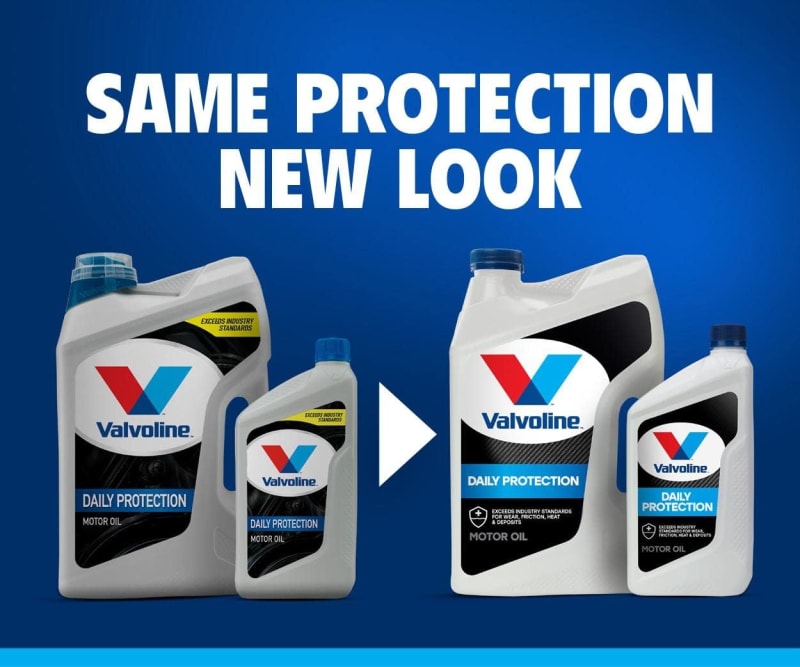
The Valvoline transaction has already changed how the company’s former businesses are organized. Aramco completed its $2.65 billion acquisition of Valvoline’s global products business in March 2023. Valvoline Inc. became focused on automotive services, while Aramco acquired the Valvoline brand for product use; Valvoline retained the brand for its retail services business.
This distinction matters to customers because a familiar brand name can appear in different business contexts. Product development, lubricant manufacturing and retail oil-change services are now associated with separate corporate entities, even though the brand remains recognizable to consumers.
For repair shops and distributors, large acquisitions can prompt questions about product portfolios, supply relationships, channel strategy and long-term brand investment. A change in ownership does not automatically mean a product has changed formulation or quality. Buyers should rely on the current product label, technical data sheet and approvals—not assumptions based only on corporate ownership.
bp’s agreement to sell a 65% stake in Castrol
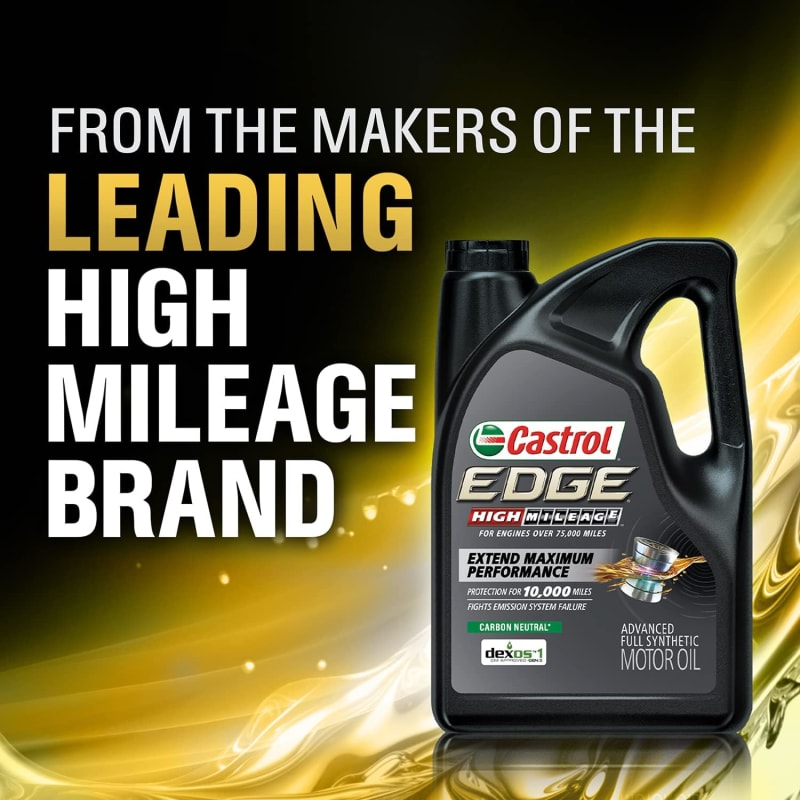
bp has agreed to sell a 65% shareholding in Castrol to investment firm Stonepeak. According to Castrol’s announcement, the transaction is subject to necessary approvals and is expected to complete by the end of 2026. Until the deal closes, it is an agreed transaction—not a completed transfer.
bp’s proposed sale is part of a broader portfolio and financial strategy, while Stonepeak’s majority stake would create a new ownership arrangement with bp retaining 35%. The precise effects for consumers, suppliers and product availability will depend on how the transaction proceeds and how the business is managed after closing.
For customers shopping for products such as Castrol 5W-40, 5W-40 Castrol or Castrol 0W-20, the most useful approach is to verify the exact product’s specifications and the automaker’s requirements. Brand ownership news is relevant industry context, but it should not replace the technical details needed to select oil for a particular engine.
What these brand transitions mean for buyers
Industry consolidation can bring investment, a broader distribution network or a renewed focus on particular products. It can also create uncertainty while organizations combine operations, update plans or communicate changes to partners. In the meantime, mechanics and fleet purchasers benefit from keeping their procurement process flexible:
Track products by specification and application, not brand name alone.
Keep alternative suppliers in view, while ensuring any alternative product meets the required standard.
Confirm current package sizes, availability and delivery estimates before scheduling service.
Review product labels and technical documents when a product name or ownership structure changes.
Sauto Mobils’ motor oil category offers a focused starting point for browsing. For a complete maintenance order, buyers can also explore transmission fluid, brake fluid, antifreeze and engines.
Customer testimonials featured on the Sauto Mobils site
Sauto Mobils displays customer testimonials that discuss product selection, ordering and business purchases. One testimonial attributed to fleet manager Mike Davis says the site’s bulk-pricing structure is useful for fleet operations and that packaging information helps with warehouse planning. A testimonial attributed to professional mechanic John Smith describes the bulk-ordering system as helpful for shop needs.
These are testimonials presented on the site; readers should evaluate them as customer feedback rather than independent verification of current prices, stock levels or delivery performance.
Data-Driven Fleet Maintenance and Oil Analysis
Moving beyond the calendar—without ignoring OEM guidance
Commercial trucking, agriculture and construction place different demands on engines. Long highway runs, frequent idling, dusty worksites, heavy loads and seasonal operation can all affect lubricant condition. For that reason, fleet maintenance teams are increasingly interested in combining manufacturer schedules with operating data and oil analysis.
Used-oil analysis can examine the fluid’s condition and identify signs of contamination or abnormal wear. A FleetOwner report describes oil analysis as a way to help fleets understand fluid condition and make maintenance schedules more informed. It also emphasizes that manufacturers may allow interval extensions in specific circumstances, with analysis and monitoring. fleetowner.com
The important distinction is between data-supported interval management and simply postponing an oil change. Testing the oil does not automatically approve an extension. A fleet should first follow the engine manufacturer’s recommendations and warranty terms, then consult the OEM or a qualified technical provider before changing a drain interval. Fleet maintenance coverage also warns that extending intervals without considering engine type, duty cycle, sampling results and warranty requirements can create risk. fleetequipmentmag.com1
What oil analysis can reveal
A properly collected sample, analyzed by a qualified laboratory and interpreted in context, may help identify:
Changes in viscosity that could affect lubricant performance.
Fuel dilution or coolant contamination that may point to an underlying issue.
Wear metals that can indicate unusual component wear.
Soot, dirt or other contaminants that may call for investigation.
Trends over time that provide more useful context than a single test.
Consistent sampling matters. A fleet should use a repeatable procedure, label samples accurately and keep results with the corresponding vehicle, engine, oil and service history. One result is a snapshot; a sequence of results can be more informative.
Extend drain intervals cautiously, not automatically
If analysis suggests that the oil remains within acceptable condition, a fleet may be able to discuss a carefully managed interval adjustment with the engine manufacturer or an authorized technical adviser. That process should be gradual, documented and specific to vehicle and operating conditions. It should never be driven solely by a shortage or an attempt to conserve inventory.
A responsible fleet process can look like this:
Start with the OEM’s published interval for the vehicle and duty cycle.
Establish consistent oil sampling and recordkeeping.
Have a qualified lab assess samples and a knowledgeable person interpret trends.
Obtain manufacturer or warranty guidance before extending an interval.
Make only approved, evidence-based adjustments and continue monitoring.
Return to the recommended interval if results, operating conditions or instructions call for it.
This is especially important in mixed fleets, where a highway tractor, a construction loader and an agricultural machine may have very different service requirements.
Sauto Mobils and fleet replenishment
Oil analysis helps a fleet understand the condition of the lubricant already in its equipment. Sourcing helps ensure the correct products are available when maintenance is due. These are complementary parts of a maintenance program, not substitutes for one another.
Sauto Mobils offers bulk-pricing information for businesses and larger-volume buyers. Fleet teams can use that information as part of a procurement plan that accounts for expected service dates, product specifications, storage capacity and delivery timing. The products catalog and fluid categories—including motor oil, transmission fluid, brake fluid and antifreeze—make it possible to browse more than one maintenance category when planning an order.
Before placing a large order, confirm that the products match the equipment requirements and review the relevant payment, shipping and delivery, and returns and warranty information. These practical checks help businesses plan procurement without assuming that every product, package or delivery timeline will suit every operation.
Choosing the right product in a changing market
Searches for 0W-16 synthetic oil, 0W-16 full synthetic oil, 0W-8 full synthetic oil, Mobil 1 0W-20, 0W-20 full synthetic oil, Castrol 0W-20 and Castrol 5W-40 reflect the range of grades and brands people may encounter while shopping for motor oil. Those terms should always be matched to the vehicle’s actual requirements.
Before buying:
Check the owner’s manual or equipment documentation.
Match both viscosity grade and performance specification.
Confirm that the product is appropriate for the engine and operating conditions.
Don’t substitute a different grade based solely on price or availability.
For fleets, keep a product-and-equipment record to reduce ordering mistakes.
A steadier way forward for drivers, shops and fleets
Retail pricing and purchase policies can change. Major brand ownership is evolving, and fleet maintenance practices are becoming more data-informed. Those changes can make automotive procurement feel less predictable, but they also reinforce a useful principle: good decisions begin with accurate information.
Drivers can protect their vehicles by keeping up with required service and using the specified oil. Shops can manage cost changes through transparent estimates and careful purchasing. Fleets can combine OEM guidance, condition monitoring and planned replenishment—without treating oil analysis as a license to stretch drain intervals without approval.
Sauto Mobils brings together product categories and business purchasing resources to support that practical approach. Browse the Sauto Mobils product selection, check the specifications against your vehicle or equipment, and plan orders around real maintenance needs.