Wholesale Car Engines for Sale: A Smarter Way to Handle Engine Replacement
Few repair quotes cause more panic than the words “you need a new engine.” The number is big, the choices are confusing, and nobody agrees on whether you should repair, rebuild or replace.
This guide covers why buying a car engine has become so difficult, how to decide between the options, and how Sauto Mobils is set up to make the process more transparent and affordable, with wholesale-style pricing and policies written down where you can read them.
Why Buying a Car Engine Has Become So Hard
American cars are living longer, and that changes the whole parts market. S&P Global Mobility reported that the average age of light vehicles on U.S. roads reached 12.8 years, with 289 million vehicles in operation and a steady 4.5% scrappage rate. You can read the full analysis in the S&P Global Mobility press release. Kelley Blue Book’s summary explains the cause: high new and used vehicle prices encourage owners to keep their cars longer and invest in upkeep instead of replacing them.
That is good news for anyone who loves a paid-off car. It also means more high-mileage vehicles are reaching the point where an engine replacement makes more financial sense than a new purchase. At the same time, the cost of parts has not been kind. Data released in May 2026 showed car parts and equipment prices up 3.8% in April compared with a year earlier, and a 25% tariff on some key foreign-made auto parts, imposed in May 2025, is still in effect. The Scripps News report has the details.
Put those trends together and you can see where drivers get stuck:
Price opacity. Two shops quote very different numbers for the same engine, and it is hard to tell what you are paying for.
The junkyard gamble. Salvage-yard engines can be cheap, but history, mileage and condition are often unknown.
Scarce low mileage engines. Genuinely low mileage engines get harder to find as the donor-car supply tightens.
Warranty gaps. Many used engines come with little or no coverage, so a failure after installation can mean paying for the labor twice.
Freight surprises. An engine is heavy and awkward to ship, and unexpected freight charges can erase a “bargain.”
Minimums and fine print. Wholesale suppliers often bury their order rules, so buyers learn them only at checkout.
The rest of this article takes these problems one at a time.
Signs of a Bad Engine: Is It Time to Think About Replacement?
Before you shop, confirm the engine is actually the problem. A bad sensor or a clogged filter can mimic a dying motor. Here is what to watch for.
Engine knocking. A rhythmic knock that rises with RPM can point to worn rod bearings, which is serious.
Engine misfire. A stumble or shake under load often means ignition, fuel or compression trouble.
Check engine light. A steady light means a stored fault code. A flashing light means stop driving, because unburned fuel can destroy the catalytic converter.
Engine overheating. Repeated overheating can warp heads and blow head gaskets.
Engine ticking noise. A light tick may be a low oil level or a noisy lifter. A heavy tick is worth a mechanic’s attention.
Engine stalling. Stalling at idle or at stoplights may be fuel, air or an internal mechanical problem.
Engine oil leak. Small seeps are common, but puddles mean gaskets or seals have failed.
Engine burning oil. Blue smoke or a falling dipstick between changes suggests worn rings or valve seals.
Engine won’t start. This may be a dead battery or starter, but also a seized engine or a broken timing belt.
How to tell if your engine is bad
Do not rely on a single symptom. Ask a shop for a compression test and a leak-down test, since these show the internal health of each cylinder. Have the oil checked for metal particles or coolant contamination. If compression is uneven across cylinders, the oil is milky, or the engine makes persistent bearing noise, you are likely looking at a rebuild or replacement rather than a simple repair.
What causes engine knock on startup?
A brief knock on a cold start can come from oil draining away from the top end overnight, a failing lifter, or worn piston-to-wall clearance that tightens up as the engine warms. A knock that fades in seconds is often less alarming than one that stays. Low oil, the wrong viscosity, or long-neglected oil changes can all make it worse. If the knock sticks around once the engine is warm, get it diagnosed promptly.
Engine Repair vs Rebuild vs Replace: Making the Call
Once you know the engine is failing, you have three paths, and the right one depends on the damage, the vehicle’s value and your timeline.
Engine rebuild vs replace
A rebuild reuses your existing block and replaces worn internals such as bearings, rings, gaskets and seals. A replacement swaps in a different engine entirely. Rebuilds can be a great choice for rare or sentimental vehicles where originality matters. Replacements usually win on speed and predictability.
How long does an engine rebuild take?
A shop rebuild commonly takes anywhere from several days to a few weeks. Teardown, machining, parts sourcing and reassembly all have to happen in sequence, and machine shops can have their own backlogs. A swap with a ready-to-install engine is often faster, because the machining has already been done.
Rebuilt vs used vs new engine
This is the decision that trips up most buyers, so here is how the three compare.
Used engines are pulled from donor vehicles. They are the cheapest up front, but condition, history and warranty vary widely.
Rebuilt engines are repaired as needed, and quality depends on who did the work and what they replaced.
Remanufactured engines are disassembled, cleaned, inspected, machined to specification and reassembled with new wear parts, often to near-new standards. They are typically the sweet spot between price and peace of mind.
New engines offer the longest life and cleanest warranty, but also the highest price.
Rebuilt engine cost and engine replacement cost
Costs vary widely by vehicle, engine type and local labor rates. As a rough planning guide, a shop rebuild of a common gasoline engine is often a few thousand dollars, while a replacement engine plus installation can run higher depending on the platform. Diesel and performance engines usually cost more. Treat every figure you read online, including these, as a starting point, and get written quotes that separate the engine price, labor, fluids and incidentals.
How much does it cost to replace an engine in a Honda Civic?
For a compact car like a Civic, a full engine replacement installed by a shop typically lands in the low-to-mid thousands of dollars, and the spread comes from whether you choose a used, remanufactured or new unit and how much your local shop charges for labor. Ask for the engine price and the labor price separately so you can compare quotes fairly.
Is it worth replacing an engine with 200,000 miles?
It can be, if the rest of the car is in good shape. Weigh the cost of a replacement engine against what the car would be worth running, plus the price of a comparable vehicle today. If the transmission, suspension and body are solid and your alternative is a pricey, financed replacement, a fresh engine can add years of cheap, paid-off driving.
How long do engines last?
With regular oil changes and basic care, many modern engines can reach 200,000 miles or more, and well-kept examples often go beyond that. Maintenance habits matter more than the badge on the hood, and that is a theme we will come back to.
Used Engines, Junkyard Engines and Low Mileage Engines: Where the Risk Hides
Many shoppers start with a search for “buy used engine,” and the appeal is obvious: the sticker price is lower. The risks are just as clear.
Junkyard engines are often sold with little testing and limited recourse. You may be paying for a unit that has already been abused.
Low mileage engines sound ideal, but odometer readings can be hard to verify, and age matters as much as miles because seals and gaskets dry out over time.
Coverage gaps can be the real cost. If a used engine fails a month after installation, the labor to pull it out and install another is yours.
So what is the best place to buy a used engine online? Look for a seller that publishes its return window, spells out warranty terms, discloses shipping rules for heavy items, and lets you talk to a real person before you pay. Those are the traits that separate a reliable supplier from a lottery ticket. It is also why more drivers are looking at remanufactured engines as a lower-risk alternative to a pulled engine of unknown history.
Remanufactured Engines and Crate Engines: What Sauto Mobils Has on the Shelf
The engines category at Sauto Mobils currently lists 46 products spanning complete assemblies and long blocks, including a large selection of remanufactured engines. A few examples show the range, with prices as listed at the time of writing:
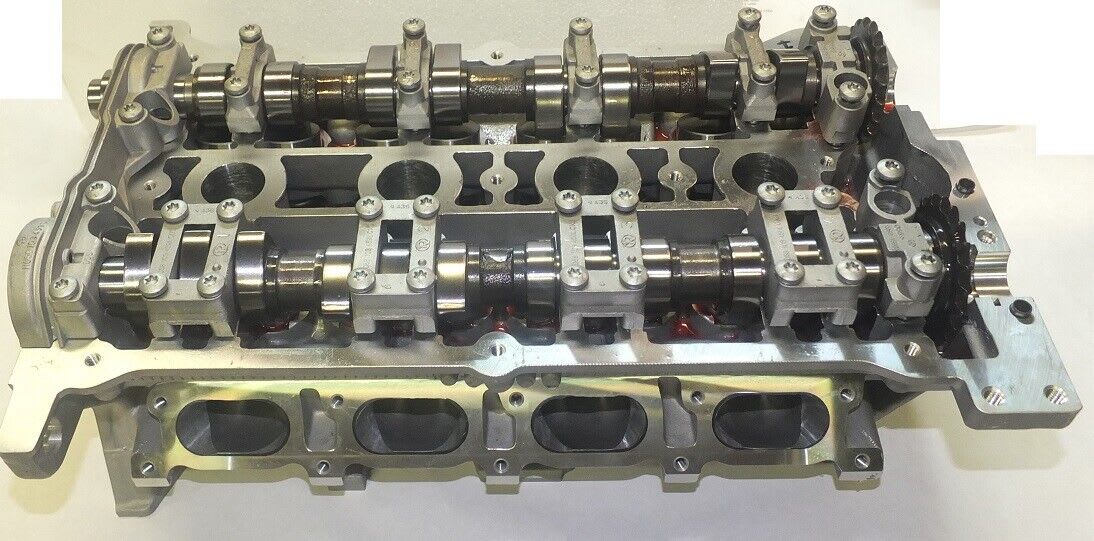
Advanced Powertrain Solutions Long Block, Remanufactured, listed at $3,300.99. A long block includes the block, crankshaft, pistons, heads and valvetrain, so it is a strong base for an engine replacement.
Power Torque Complete Engine Assembly, Remanufactured, listed at $4,925.99. A complete assembly gives you more of the engine in one package, which can save time on parts gathering.
Power Torque Long Block, listed at $7,999.00.
Power Torque Performance Complete Engine Assembly, listed at $6,321.99, for builders after more output.
Power Torque Complete Engine Assembly, listed at $12,153.99, at the premium end of the range.
Builders who like the idea of crate engines, meaning complete engines delivered ready to bolt in, will find the complete-assembly listings familiar. You can narrow the full catalog using the filters on the products page. Engines are application-specific, so always confirm fitment for your year, make, model and engine code before ordering. If you are unsure, the support team can help you verify it.
Choosing the Right Engine for Your Build or Repair
A replacement is also a chance to think about what you actually want from the vehicle.
V6 engine, V8 engine or inline 4 engine? Inline 4 engines favor efficiency, V6 engines balance power and smoothness, and a V8 engine brings torque and towing muscle. Match the layout to what the vehicle was designed for unless you are planning a full swap.
Gas vs diesel engine. A gasoline engine is simpler, cheaper to buy and quieter. A diesel engine delivers more torque and long-haul efficiency but costs more to buy and service. Diesel platforms like the Cummins engine have a loyal following in trucks for that reason.
Naturally aspirated vs turbo. A naturally aspirated engine is simpler and often easier to maintain. A turbo engine, also called a turbocharged engine, extracts more power from a smaller displacement but adds heat, plumbing and oil demands.
Hybrid engine. A hybrid engine usually pairs a gasoline engine with an electric motor. Replacement parts can be specialized, so confirm exact compatibility.
Rotary engine. The rotary is famous for its compact design and high-revving character, but it has particular maintenance needs, and rebuild expertise is much rarer than for piston engines.
LS engine, Hemi engine and other popular platforms. The LS engine and the Hemi engine are favorites for swaps because of strong aftermarket support. If you are planning one, price an engine swap kit (mounts, harnesses, adapters) alongside the engine itself so your budget does not get surprised.
Electric motor vs combustion engine. Electric drivetrains are growing, but the combustion fleet is enormous and aging. For the millions of cars already on the road, a quality engine replacement remains the practical answer.
How Sauto Mobils Is Set Up to Solve the Problems
Remember the pain points from earlier? Here is how Sauto Mobils addresses each one, with the official pages so you can read the terms yourself.
Price opacity: published pricing and bulk programs. Engine prices appear on each listing, and businesses can look into the bulk pricing program, which describes tiered volume discounts and net payment terms for qualifying business accounts. Discount percentages are published by category, so ask the bulk sales team how the tiers apply to engine orders.
Minimums and fine print: spelled out in advance. The payment and ordering information page lists minimum order requirements up front, including a $1,000 minimum for engine items, so there are no surprises at checkout.
Freight surprises: clear shipping rules. The shipping and delivery page explains that items over 100 pounds, such as engines, require special shipping arrangements and are quoted individually. Orders ship from the Little Rock, Arkansas facility and cover all 50 states, so get a freight quote before you commit.
Warranty gaps: written return and warranty terms. The returns and warranty policy describes a 30-day return window for eligible unused items, manufacturer warranties on products, and extended warranty options for many items. For an engine with warranty coverage, confirm the exact terms for your specific listing before purchase, since coverage varies by product and brand.
Engine for sale near me: a real local address. If you are in the Little Rock area, local pickup is available, and the team can be reached by phone, email or WhatsApp, Monday through Friday. Having actual people to talk to matters when you are sorting out fitment on a big purchase.
Protect Your Investment: Oil, Coolant and Fluids
A fresh engine deserves good habits from the first mile. Most engine failures trace back to neglected maintenance, not bad luck.
Engine oil and motor oil basics
How often to change engine oil. Follow your owner’s manual or oil life monitor. Many modern engines on full synthetic go well past the old 3,000-mile rule, but severe driving, like short trips, towing and heat, shortens that.
Synthetic vs conventional oil. Synthetic flows better in the cold, resists heat breakdown and generally lasts longer. Conventional is cheaper and fine for simpler engines on shorter intervals.
0W-20 vs 5W-30. The first number describes cold flow and the second describes thickness at operating temperature. Use whatever your manufacturer specifies, since modern engines are tuned for a particular viscosity.
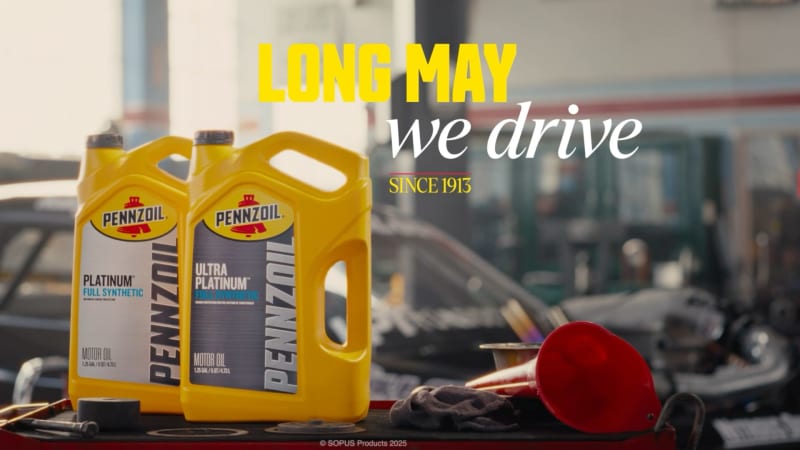
Best engine oil and best synthetic oil. The best choice is the one that meets your car’s required specification in the right grade. Brand rivalries like Mobil 1 vs Pennzoil and Castrol vs Pennzoil are closer than forum arguments suggest when the grade and certifications match.
Best oil for a high mileage engine. High mileage oil adds seal conditioners and extra detergents for older engines. Options include the Mobil 1 Extended Performance High Mileage 0W-20, the Castrol Edge High Mileage Full Synthetic 10W-30 and the Pennzoil High Mileage Synthetic Blend 5W-20. Browse the full motor oil category for more.
Engine oil capacity by car. Capacity varies by engine, so check your manual, and use the site’s engine oil guide for help matching oil to your vehicle.
Coolant and transmission fluid
Engine coolant and antifreeze. Overheating is a top cause of engine death. Keep the cooling system topped up with the correct coolant type, and replace it on schedule. Shop antifreeze here.
Transmission fluid change. The transmission does not get as much attention as the engine, but old fluid wears it out quietly. Find the right product in the transmission fluid category.
For workshops that use these fluids by the case, the bulk page also lists volume pricing on oils and related fluids, so it is worth a look if you are stocking a shop.
Frequently Asked Questions
Are engines at Sauto Mobils sold at wholesale prices?
Sauto Mobils offers a bulk and wholesale pricing program for qualifying business accounts, including workshops, fleets and resellers. Review the bulk pricing page and contact the sales team to confirm how tiers apply to engine orders.
Is there a minimum order for engines?
Yes. According to the payment and ordering page, engine items carry a $1,000 minimum order.
Can I return an engine?
Eligible items can be returned within 30 days if they are unused, in original packaging and accompanied by proof of purchase and a return authorization number. Read the full returns and warranty policy first, and confirm details for your specific engine before ordering.
How are engines shipped?
Heavy items over 100 pounds are quoted individually. See the shipping and delivery page and contact the team for a freight quote.
Final Thoughts: Replace Smarter, Not Harder
An engine replacement will never be a fun expense, but it does not have to be a confusing one. Know the signs of a bad engine, compare repair, rebuild and replacement honestly, and be skeptical of any deal that offers a low price with no paper trail. Choose a supplier that publishes its minimums, shipping rules, return window and warranty terms.
Ready to compare? Start with the engines category, browse the full product catalog, and review the bulk pricing, payment and ordering, shipping and returns and warranty pages before you buy.