Choosing motor oil can feel like a brand contest: Mobil, Pennzoil, and Valvoline all have loyal customers, broad product lines, and synthetic oils aimed at modern engines. But the best oil is not simply the one with the most familiar name. It is the product that matches your vehicle’s required viscosity grade and performance specifications—and that you can source reliably.
For drivers and repair businesses comparing brands, Sauto Mobils’ motor oil category offers a starting point for browsing different brands, grades, and package sizes. The site lists Mobil 1 and Valvoline products, including 0W-16 and 0W-20 options. Product availability and specifications can change, so check the individual listing and the vehicle manufacturer’s requirements before ordering.
The most important comparison: the oil’s specification
A brand name alone does not tell you whether an oil is appropriate for your car. First check the owner’s manual or oil-cap label for the required SAE viscosity grade and performance category. Then confirm that the exact product carries the required approvals or meets the specified standards.
That matters especially with modern low-viscosity oils. 0W-16 and 0W-20 are not interchangeable just because both are thin oils designed for some newer engines. Mobil advises users to follow the vehicle manufacturer’s recommended viscosity and service classification; its product information also describes specific applications for Mobil 1 0W-16. mobil.com
The same rule applies to 0W-8 full synthetic oil. It is an even lower-viscosity grade and should be used only when the vehicle manufacturer specifies or approves it. Don’t choose a grade just because it is marketed as fuel-efficient, and don’t change grades based on a general online comparison.
The “W” in a viscosity grade refers to winter performance, while the second number indicates the oil’s viscosity classification at operating temperature. A grade is a standardized performance range—not a claim that one oil is universally superior. The American Petroleum Institute (API) explains that engine-oil licensing involves standards, testing, and monitoring; consumers can check for the relevant API marks and product claims. api.org
Mobil: a strong choice for specification-focused shoppers
Mobil 1 is a compelling option for owners who want a widely recognized synthetic-oil line with multiple viscosity choices. Mobil describes its Advanced Fuel Economy products as full synthetic oils and lists 0W-16, 0W-20, and other grades in the range. The company highlights cold-start flow and fuel-economy considerations, while also specifying that the right application depends on vehicle requirements.
That broad lineup is useful when a driver or shop maintains vehicles with different oil requirements. A customer looking for Mobil 1 0W-20 can compare it with other grades and formulations, but should still check the specific product’s approvals rather than assume every Mobil 1 formula meets the same specification.
At Sauto Mobils, shoppers can browse all products or go directly to the motor oil listings. The category page includes listings for Mobil 1 Advanced Fuel Economy 0W-16 and 0W-20, along with other Mobil formulations. Always confirm that the listing’s product details correspond to the exact oil your vehicle calls for.
Why choose Mobil? It is a sensible first choice when you need an established synthetic-oil brand, a particular grade such as 0W-16, or a range broad enough to help a shop consolidate purchasing. The deciding factor, however, should remain the exact product specification—not brand reputation by itself.
Valvoline: another strong option, especially for a diverse service lineup
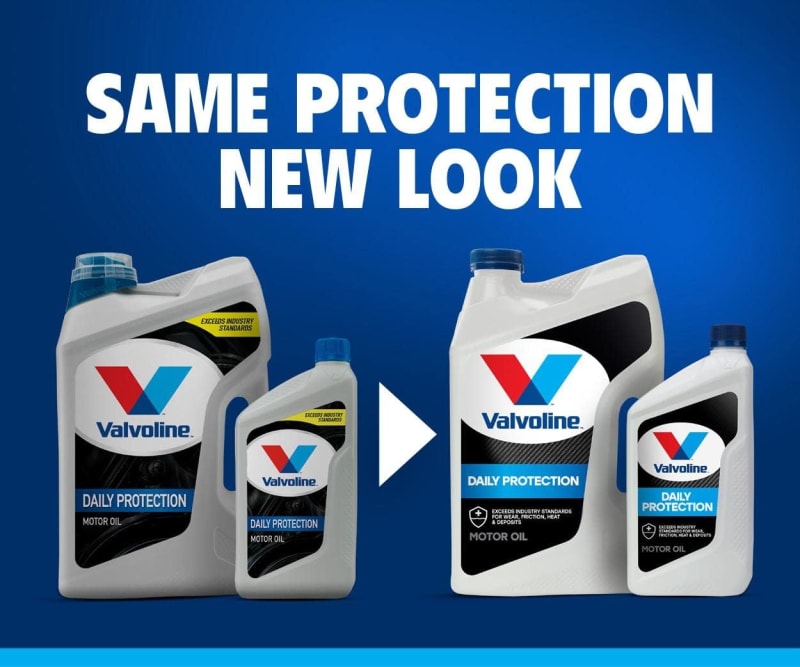
Valvoline deserves equal consideration. Its product range includes full synthetic motor oils in low-viscosity grades, as well as formulations designed for different driving and engine needs. Valvoline describes its Advanced Full Synthetic 0W-16 as intended for certain gasoline and hybrid applications and emphasizes wear, heat, friction, and deposit protection. Check its product information and your vehicle manual for a match. valvolineglobal.com
That breadth can be useful for independent shops, fleet operators, and DIY owners who want to compare several categories of oil under one brand. Sauto Mobils’ motor oil category lists Valvoline oils in grades including 0W-16 and 0W-20, as well as other viscosities and product types.
Why choose Valvoline? It is a strong alternative to Mobil when the exact Valvoline product meets the vehicle’s requirements, when its formulation suits the application, or when a shop wants another reputable brand option for inventory planning. Comparing Mobil and Valvoline by exact grade, approvals, container size, and price is more useful than declaring one brand universally better.
Pennzoil’s advantages: don’t overlook what it does well
A comparison that recommends Mobil and Valvoline should still give Pennzoil a fair hearing. Pennzoil Platinum’s PurePlus technology is based on a gas-to-liquid process that converts natural gas into synthetic base oil, according to Pennzoil product information. That distinctive approach, plus a wide range of formulations and viscosity grades, gives Pennzoil real advantages for buyers whose vehicles call for a matching product.
Pennzoil may be a good choice when:
The exact Pennzoil product meets the viscosity and performance requirements in the owner’s manual.
You prefer its product formulation or brand and can source the right grade and package size.
A particular Pennzoil product is competitively priced or readily available for your maintenance schedule.
It would be misleading to say Pennzoil is inherently inferior. A properly specified Pennzoil product can be the right choice; so can Mobil or Valvoline. The meaningful comparison is between oils that meet the same vehicle requirements—not brand slogans or broad claims detached from a particular product.
What about 0W-16, 0W-20, and 0W-8 full synthetic oil?
Low-viscosity oils appear in newer vehicles designed to use them. They can support an engine’s intended operating characteristics, but the choice must be guided by the manufacturer—not by a general claim about fuel economy.
0W-16 synthetic oil: Consider it only when the vehicle specifies or explicitly permits SAE 0W-16. Mobil and Valvoline list 0W-16 products, and Sauto Mobils’ catalog includes listings for those grades.
0W-16 full synthetic oil: The words “full synthetic” describe the oil formulation category; they do not automatically prove compatibility with every 0W-16 engine. Confirm the required API or manufacturer specification on the exact bottle or product page.
0W-20 full synthetic oil: This grade is used by many vehicles, but it is not a universal substitute for 0W-16—or for any other viscosity. For example, a search for Mobil 1 0W-20 should lead to a product whose approvals match the vehicle’s requirements.
0W-8 full synthetic oil: Use it only if the manufacturer calls for or approves SAE 0W-8. Mobil lists 0W-8 in its product range, but availability does not mean it is suitable for all cars. mobil.com
Sauto Mobils’ category page lists Mobil 1 0W-8, 0W-16, and 0W-20 products, as well as Valvoline oils in several grades. Use the catalog to locate candidates, then verify the specific product’s label and technical data against your vehicle documentation.
Current challenges for drivers, shops, and the motor oil industry
Motor-oil buyers face more than a crowded shelf. Three practical problems stand out.
Finding the correct product among many labels. Similar-looking bottles may have different viscosities, formulations, and approvals. A wrong-grade purchase can result from treating a familiar brand or the word “synthetic” as a substitute for checking the specification. Clear product listings and careful comparison help reduce that confusion.
Supply and inventory planning. A repair shop may need several grades and package sizes at once, while drivers may discover that a particular oil is out of stock locally. Bulk purchasing and planning can help businesses manage routine demand, though no retailer can guarantee that every product will always be available.
Counterfeit, mislabeled, or obsolete oil. The API’s engine-oil program includes monitoring and enforcement, and industry reporting has described counterfeit products and oils with claims that do not match their contents. Buyers should use reputable sellers, inspect packaging, and check for valid API marks and current product information.
There is also an environmental responsibility after the oil change. Used oil should not be poured onto the ground or into drains. The U.S. Environmental Protection Agency says used oil can be collected and recycled, including by re-refining it into new lubricant; it advises keeping it in a leak-proof container and using an appropriate collection location.
How Sauto Mobils can help make the buying process more manageable
Sauto Mobils’ setup addresses several practical parts of shopping and maintenance: product discovery, category browsing, bulk-order information, delivery details, and post-purchase support. These are useful tools for planning, although they do not replace checking product fit or confirming stock, shipping terms, and order requirements before purchase.
Browse across categories: Start with all products, or use the dedicated motor oil category to compare brands and grades. The site also has a separate engines category for customers researching engine-related parts and replacement options.
Plan larger purchases: Sauto Mobils describes volume pricing and business purchasing on its bulk pricing page. Shops and fleets should review the terms carefully and confirm current thresholds, discounts, and eligibility before building an order.
Review payment details: Before checkout, consult payment and ordering information for the site’s current ordering terms. Since payment details can change, rely on the page as displayed at the time of purchase.
Understand delivery expectations: The shipping and delivery page sets out shipping options, tracking, and stated delivery windows. Check those details against your destination and the product you plan to order.
Know the return process: Review returns and warranty information before buying, particularly if you are ordering a specialized grade, a large quantity, or an item you may need to return.
For garages and fleets, these tools can help organize purchasing and make it easier to compare options across a recurring maintenance list. For individual drivers, browsing by category and package size can simplify the search for a suitable oil. In either case, the critical safeguard is to match the exact product to the vehicle before ordering.
What customers say about Sauto Mobils
Sauto Mobils displays customer testimonials on its site. One displayed review from a professional mechanic praises the company’s product selection and bulk-ordering system. Treat testimonials as customer-reported experiences rather than independent proof of a product’s performance or a guarantee of a particular order outcome. For oil selection, rely on the vehicle maker’s specifications and the lubricant’s product documentation.
A practical verdict: Mobil and Valvoline make strong cases, while Pennzoil remains a valid contender
Mobil and Valvoline are easy to recommend as strong options for shoppers comparing synthetic oils, including 0W-16 synthetic oil and 0W-20 full synthetic oil. Mobil’s breadth of low-viscosity products and Valvoline’s synthetic lineup make both worth considering when their exact products meet your vehicle’s requirements.
Pennzoil should not be dismissed. Its PurePlus process gives it a distinctive formulation story, and the brand offers products that can be a sound choice when the grade and approvals match the application.
The best decision is straightforward: check the manual, match the viscosity and required performance standard, compare the exact product labels, and buy from a supplier that clearly explains ordering and delivery. Sauto Mobils’ product catalog, motor oil listings, and support pages can help with that process. The right oil is the one that meets the engine’s requirements—not simply the one with the loudest claim.